
Direct Diagnostic Summary
Discovering raw sewage bubbling up through a basement floor drain is one of the most stressful emergencies a homeowner can face. The first sixty minutes determine whether you contain the incident to a minor drain clearing or end up with thousands of dollars in contaminated drywall, warped flooring, and ruined heating equipment. Here is the exact, step-by-step safety and containment protocol to follow before the sewer rodding technician arrives.First 15 Minutes: Stop All Indoor Water Use Across All Levels
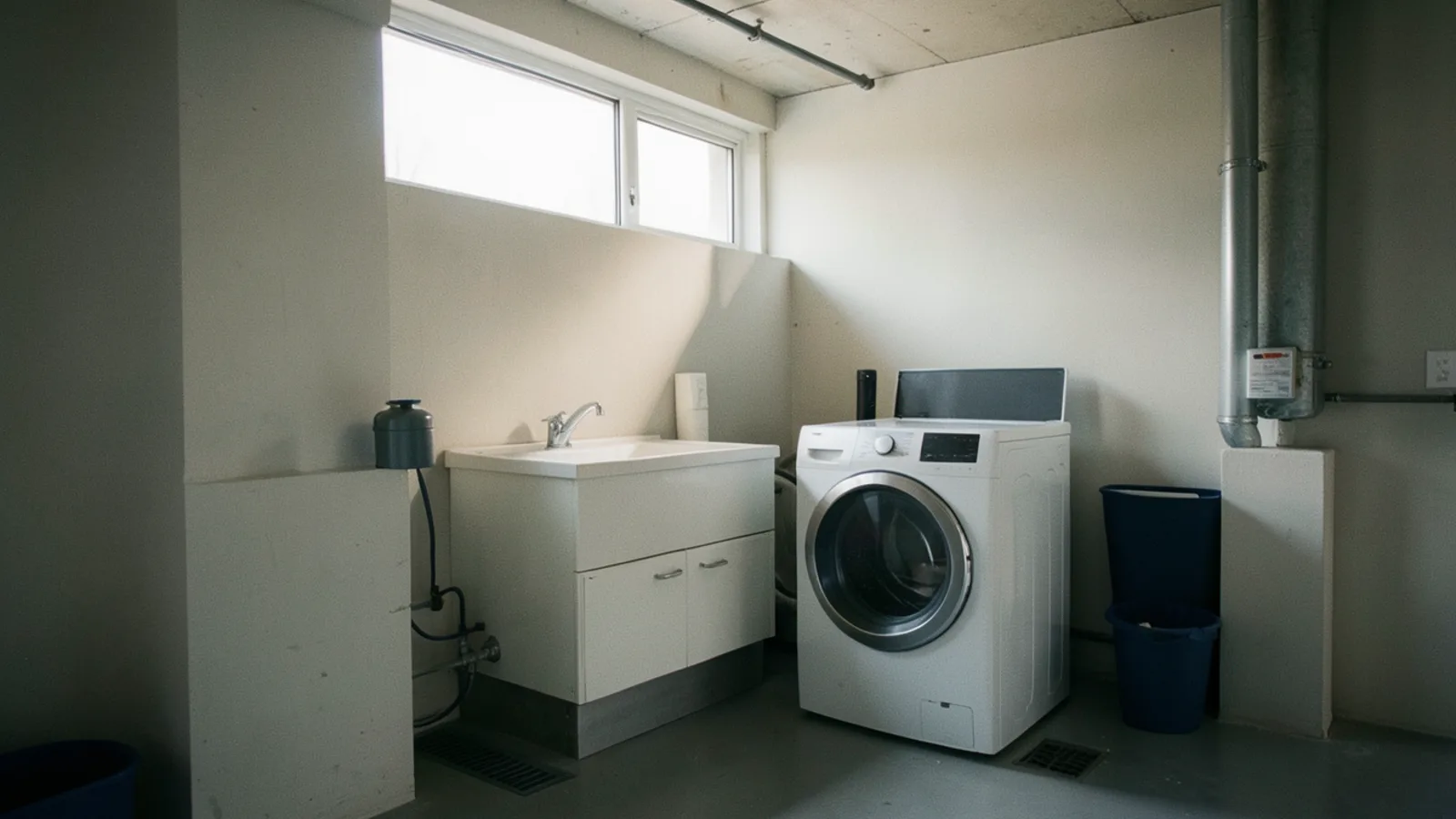
The most critical rule during an active sewer backup is immediate: stop adding water to your plumbing drainage system across all levels of the home. In south suburban Chicago communities—from classic brick bungalows in Cicero and Berwyn to post-war ranches in Burbank and Evergreen Park—residential drainage relies completely on gravity flow through a 4-inch or 6-inch lateral pipe heading out to the municipal combined main beneath the street.
When that underground sewer lateral is blocked by mature tree roots, grease congealment, or structural pipe failure, the lateral turns into a closed vessel under hydrostatic backpressure. Every single gallon of water introduced upstairs has only one physical route to take: it will push back out through the lowest gravity opening in the building, which is almost invariably the basement floor drain, a low laundry standpipe, or a basement bathroom shower pan.
Do not flush any upstairs toilets to test whether they still drain. Do not wash your hands at kitchen sinks, do not allow dishwashers to complete discharge cycles, and immediately turn off clothes washers mid-cycle. If anyone in the household is showering, shut off the water instantly. In a gravity drainage system with a obstructed main lateral, every single fixture drained upstairs directly raises the depth of contaminated wastewater flooding your basement slab.
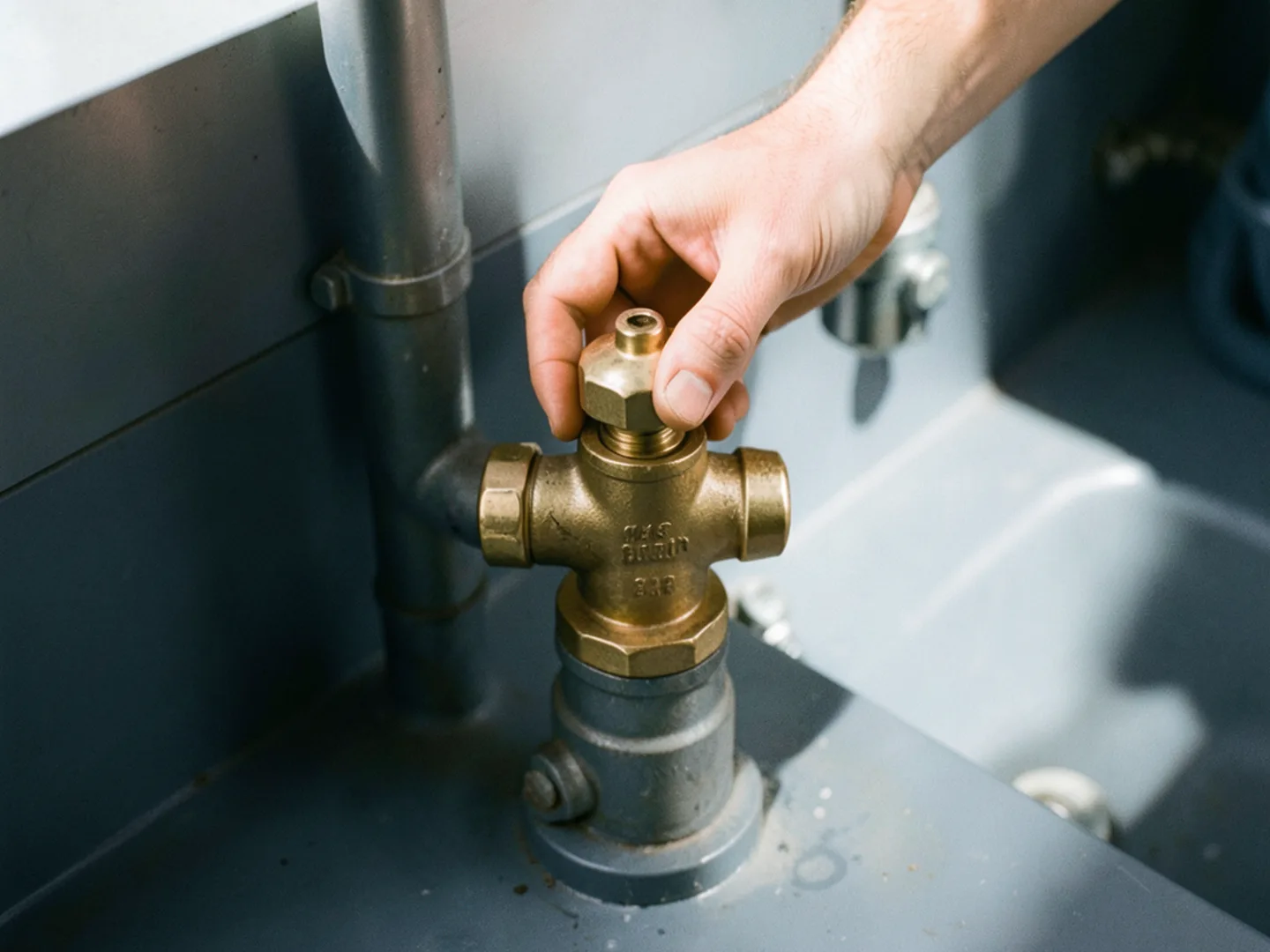
Figure 01: Diagnostic field reference for Sewer Backing Up Into Your Basement? What to Do in the First HourField Reference
Active Drainage Problem?
Speak with our south suburban dispatch coordinator
Free to call · Connected with independent local drain contractors
Free to call
No obligation
Independent local contractors
24/7 emergency dispatch
Written estimates on-site
Critical Electrical and Biohazard Safety in Wet Basements
Standing wastewater bubbling from an underground sewer line is classified under ANSI/IICRC S500 restoration standards as Category 3 blackwater. This water carries severe biological contaminants, including pathogenic bacteria like Escherichia coli and Salmonella, enteroviruses, hepatitis agents, and microscopic parasites that pose acute health risks upon skin contact or aerosolization.
However, the immediate life-safety hazard in a flooded basement is electrical shock. Water pooling on a concrete slab will readily conduct electrical current if it reaches energized wiring, baseboard heaters, low-mounted wall receptacles, extension cords, or the burner assembly and controls of a water heater or furnace.
If the pooling wastewater has risen high enough to touch any electrical source or appliance, DO NOT step into the water under any circumstances. Stepping into water carrying stray electrical voltage can cause muscle lockup or fatal cardiac arrest. If your main electrical breaker panel is situated on a dry upper floor or at the top of a dry stairway landing safely away from the flood zone, switch off all circuit breakers powering the basement. If reaching the service panel requires stepping across damp concrete or standing liquid, stay out of the basement entirely and contact ComEd or your local emergency dispatch service to disconnect exterior power.
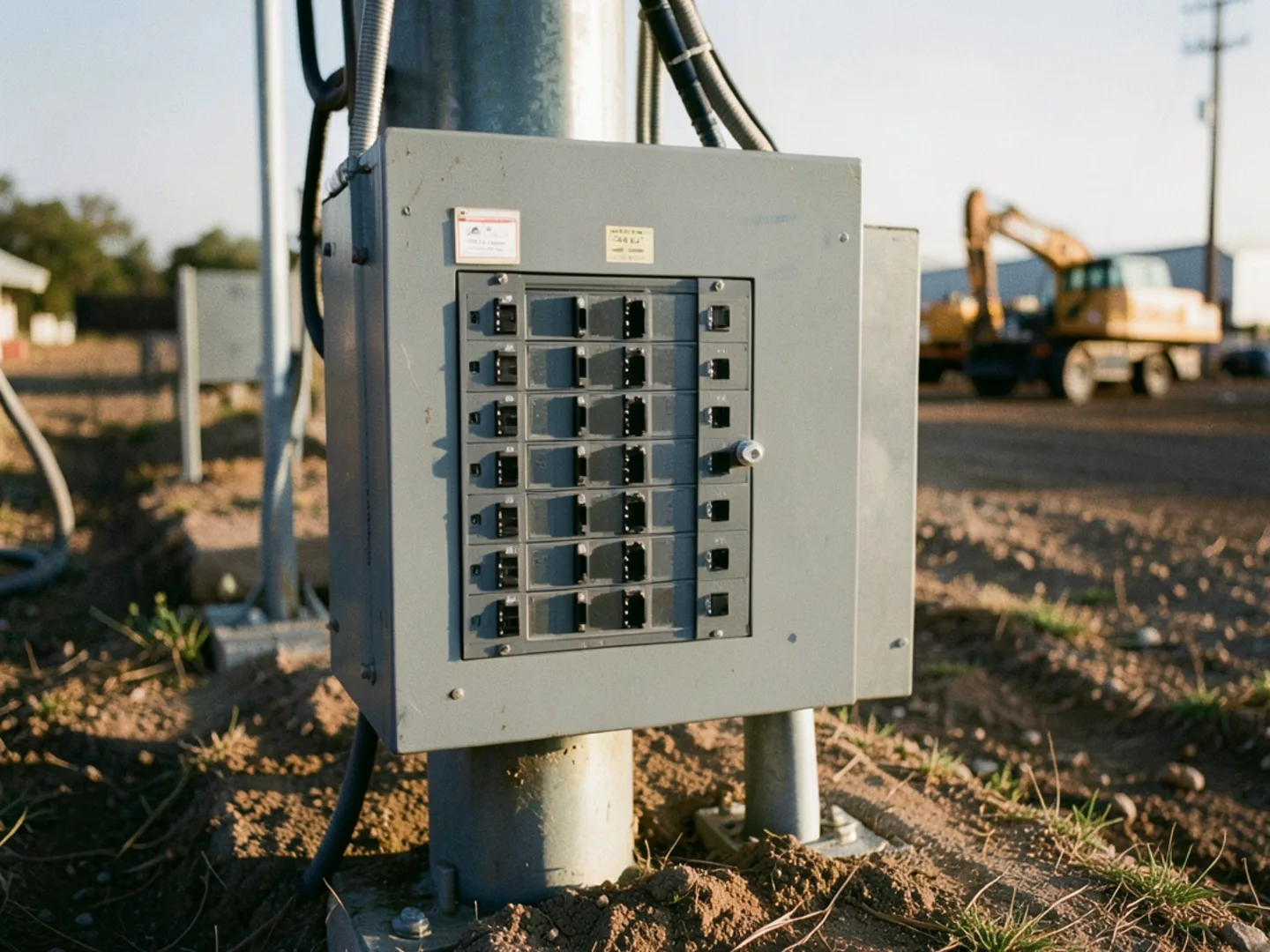
Figure 02: Diagnostic field reference for Sewer Backing Up Into Your Basement? What to Do in the First HourField Reference
Step-by-Step Photographic Documentation for Insurance Claims
Before water recedes and before any cleanup or extraction begins, complete a thorough photographic inventory for your insurance adjuster. Standard ISO HO-3 homeowners insurance policies explicitly exclude damage caused by sewer backups unless you have added a specific Water Backup and Sump Overflow endorsement rider.
To ensure your claim is processed smoothly without disputes over pre-existing conditions or excluded perils, stand in a completely dry doorway or stairway position and record high-resolution images and video:
1. Overall room perspectives establishing the water line against baseboards, drywall, and structural studs.
2. Close-up photographs of the specific fixture or floor drain where sewage discharged into the living space.
3. Clear, legible photographs of manufacturer specification plates, model numbers, and serial numbers on flooded furnaces, water heaters, laundry washers, and dryers.
4. Detailed inventories of impacted personal property, finished furniture, electronics, and stored belongings.
5. Exterior foundation shots showing downspout discharge and ground grading to demonstrate the problem originated from an underground lateral blockage rather than surface overland runoff.
Never wade through contaminated wastewater simply to capture an image. Keep family members and domestic pets strictly segregated on upper dry levels.
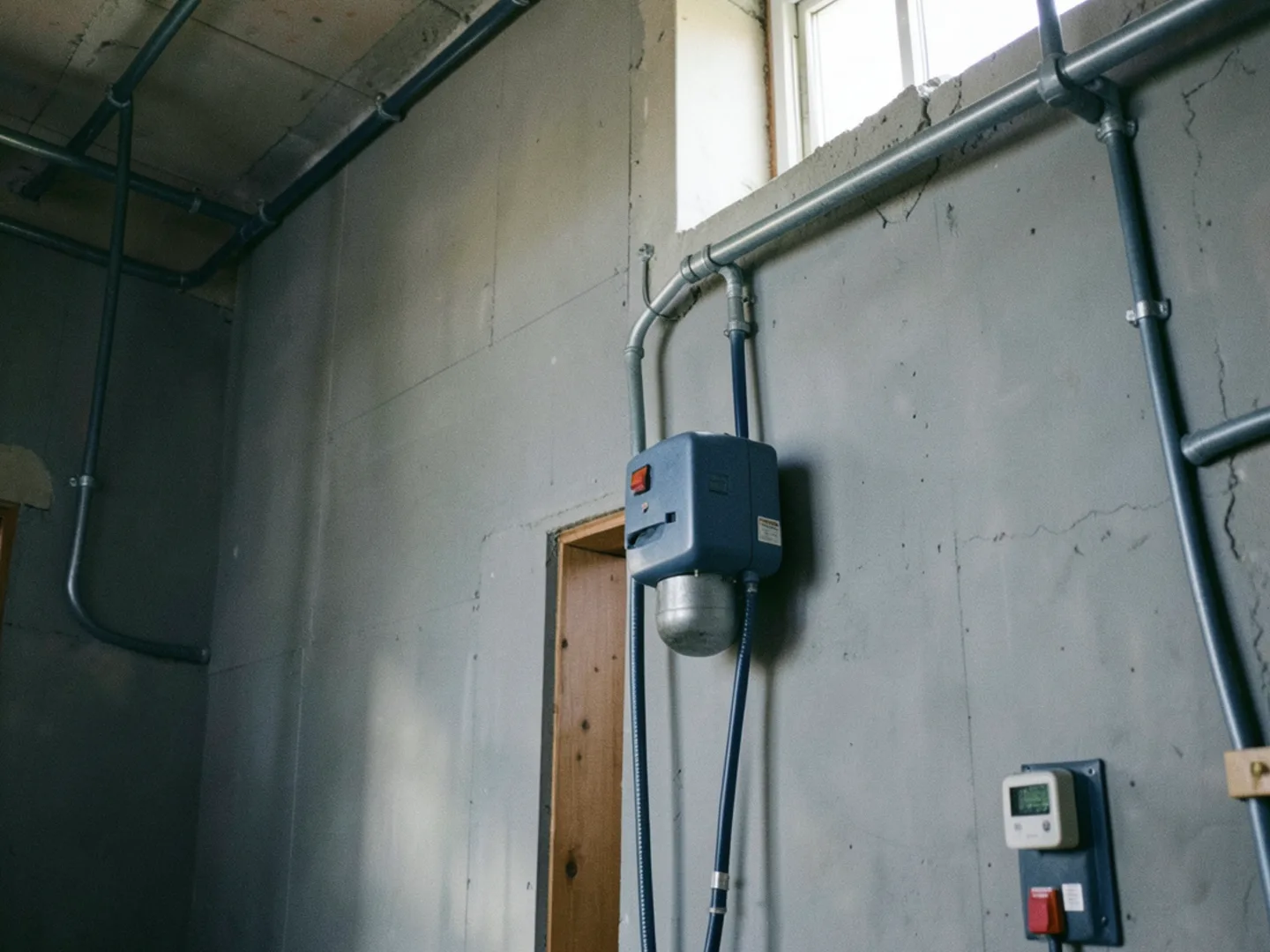
Figure 03: Diagnostic field reference for Sewer Backing Up Into Your Basement? What to Do in the First HourField Reference
How an Emergency Sewer Rodding Technician Relieves the Line
When you telephone for emergency sewer dispatch, providing clear diagnostic details allows the rodding specialist to arrive with the precise machine and cutter configuration needed for your home. When speaking with the dispatcher, confirm whether wastewater is actively rising or stabilized, identify whether your property features an exterior double-sweep yard cleanout or requires basement cleanout access, and note whether the incident coincided with heavy rainfall or occurred during ordinary dry-weather water usage.
Upon arrival, the dispatched independent contractor positions a heavy-duty industrial rodding machine equipped with high-tensile, 3/4-inch inner-core tempered steel cable. Navigating an active backup requires expert technique: removing the cleanout cap must be done slowly to relieve hydrostatic head pressure without creating an uncontrolled basement blowout.
The contractor initiates the pass with a spiral retriever head or piercing spearhead to puncture through the core of the blockage—whether that consists of dense root masses, collapsed sanitary napkins, or solidified grease. The moment the spear breaks the core seal, hundreds of gallons of trapped water drain down the municipal main. Once the line has cleared and water level subsides, the technician executes a secondary pass using full-diameter expanding spring-steel blades configured to match the exact 4-inch or 6-inch inner diameter of the pipe, cutting roots flush against the inner walls to restore maximum carrying capacity.
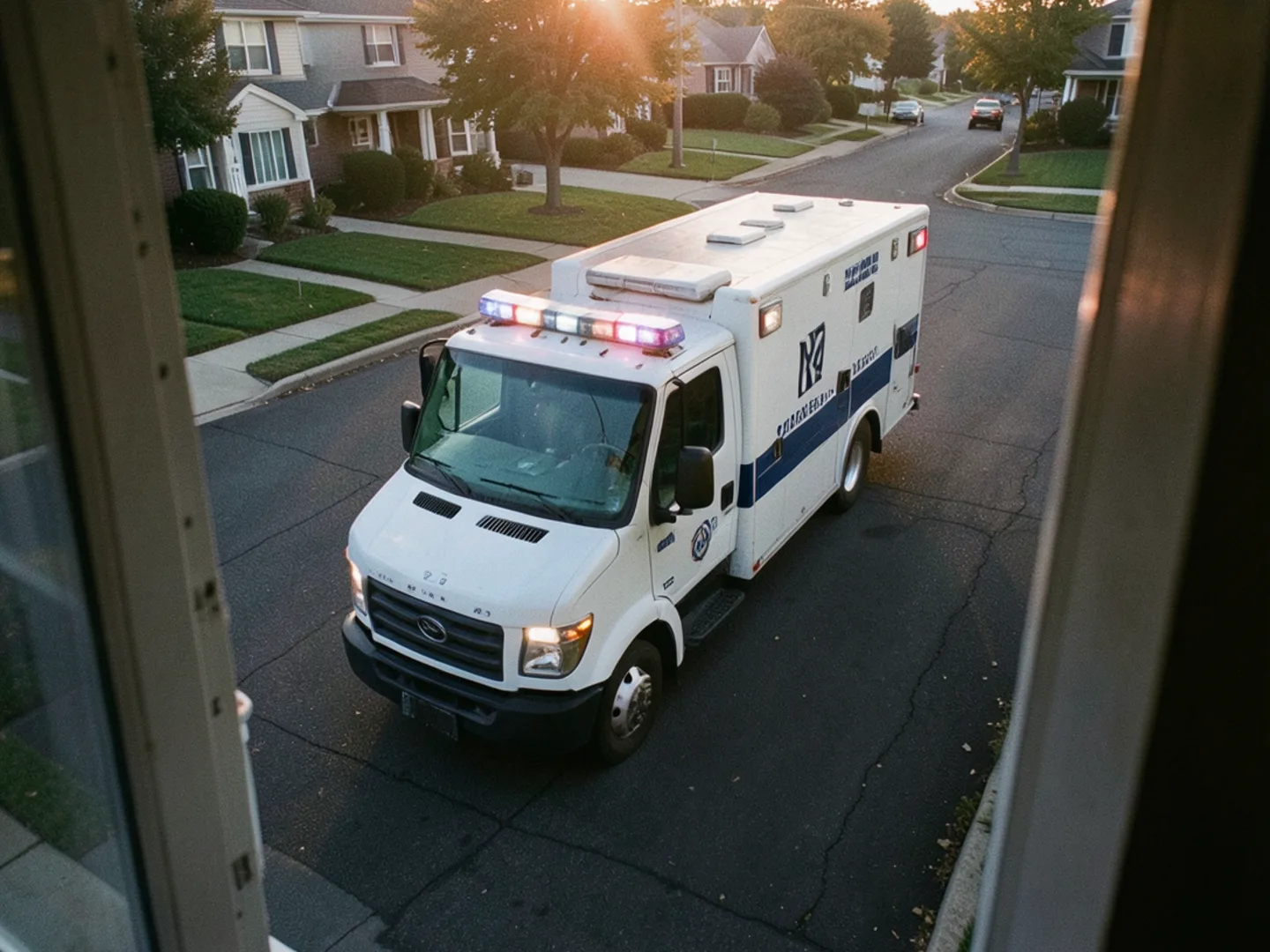
Figure 04: Diagnostic field reference for Sewer Backing Up Into Your Basement? What to Do in the First HourField Reference
Expert Trade-Offs: Immediate Emergency Rodding vs. Secondary Hydro-Jetting
Homeowners facing flooded basements frequently ask whether they should order emergency hydro-jetting or mechanical cable rodding. In an active backup emergency, mechanical rodding is the universally correct initial response. Attempting to hydro-jet an actively clogged sewer line that is already backfilled with sewage is counterproductive and dangerous: high-pressure water jetters deliver 15 to 20 gallons of water per minute into the pipe, which would simply overflow directly into the basement before the nozzle could reach the distant obstruction.
Mechanical cable rodding is engineered specifically to penetrate dense obstructions without introducing additional liquid volume into the plumbing system. Its rotating steel cutters chew through root intrusions, break grease dams, and release trapped water.
However, mechanical rodding has one inherent limitation: while steel blades cut open the center and shave roots, they leave behind fine root hair stubs in joint seams and cannot wash away soft, emulsified grease coating the pipe crown. Therefore, the optimal long-term strategy is a two-phase protocol: deploy emergency mechanical rodding to relieve the immediate flood and drain the basement, followed by a scheduled secondary hydro-jetting pass and video camera inspection once the line is freely flowing. This complete sequence cleans the lateral down to bare vitrified clay or cast iron, leaving a clean, documented pipe profile that protects against recurrent basement floods.
First-Hour Sewer Backup Action Protocol
Comparative mechanical metrics and local south suburban cost drivers.
| Minute Marker | Action Required | Safety Priority |
|---|---|---|
| Minute 0 – 10 | Stop all water use: no flushing, sinks, showers, or laundry across all levels | CRITICAL — Prevents worsening basement flood |
| Minute 10 – 20 | Assess electrical risks; stay off wet slab; shut off basement breaker if panel is dry | LIFE SAFETY — Prevents deadly electrocution |
| Minute 20 – 35 | Photograph high-water line, affected fixtures, and equipment nameplates | FINANCIAL — Preserves insurance claim proof |
| Minute 35 – 50 | Call emergency rodding line; provide fixture type, cleanout location, and rainfall details | RESOLUTION — Dispatches proper rodding blades |
| Minute 50 – 60 | Clear exterior path to outside cleanout or basement bilco door for equipment cart | EFFICIENCY — Speeds up contractor setup time |
Cited Research & Regulatory Authorities
The technical guidance and municipal standards referenced in this guide are informed by official state, regional, and industry publications:
- Standard and Reference Guide for Professional Water Damage Restoration (ANSI/IICRC S500) · Institute of Inspection Cleaning and Restoration Certification
- Title 77 Ill. Admin. Code 890 (Illinois Plumbing Code) · Illinois Department of Public Health
- Sewer Backup Prevention & Response Guide · Metropolitan Water Reclamation District of Greater Chicago (MWRD)