
Direct Diagnostic Summary
Before real estate can transfer ownership in the Village of Oak Lawn, property sellers must comply with local municipal inspection standards that protect buyers and village infrastructure. Central to this process is verifying the structural integrity of the private sewer lateral connecting the building to the village main. Here is everything sellers, buyers, and real estate professionals need to know to navigate the inspection smoothly and avoid closing delays.Understanding the Village of Oak Lawn Transfer Requirements
The Village of Oak Lawn enforces municipal transfer stamp regulations for residential and commercial real estate transactions under Title 9 of the Village Code. A foundational element of this municipal oversight is ensuring that aging underground sewer infrastructure does not overburden the regional stormwater and sanitary collection network or pass catastrophic, uninspected liabilities onto prospective home buyers.
Under local Cook County drainage guidelines, property owners maintain sole ownership and legal maintenance responsibility for their private sewer lateral from the interior basement foundation wall all the way to the municipal sewer main connection beneath the street or parkway. Because Oak Lawn underwent its primary residential expansion between 1950 and 1970, the vast majority of single-family residences are served by 4-inch or 6-inch vitrified clay pipes.
Over six decades of freeze-thaw cycles, subsoil shifting in dense glacial clay, and relentless root penetration from mature suburban parkway trees have created widespread structural degradation. A comprehensive point-of-sale video sewer camera inspection establishes clear proof of lateral condition, identifying illegal stormwater cross-connections (such as sump pumps or foundation footing drains discharging into the sanitary stack) and documenting pipe integrity prior to title conveyance.
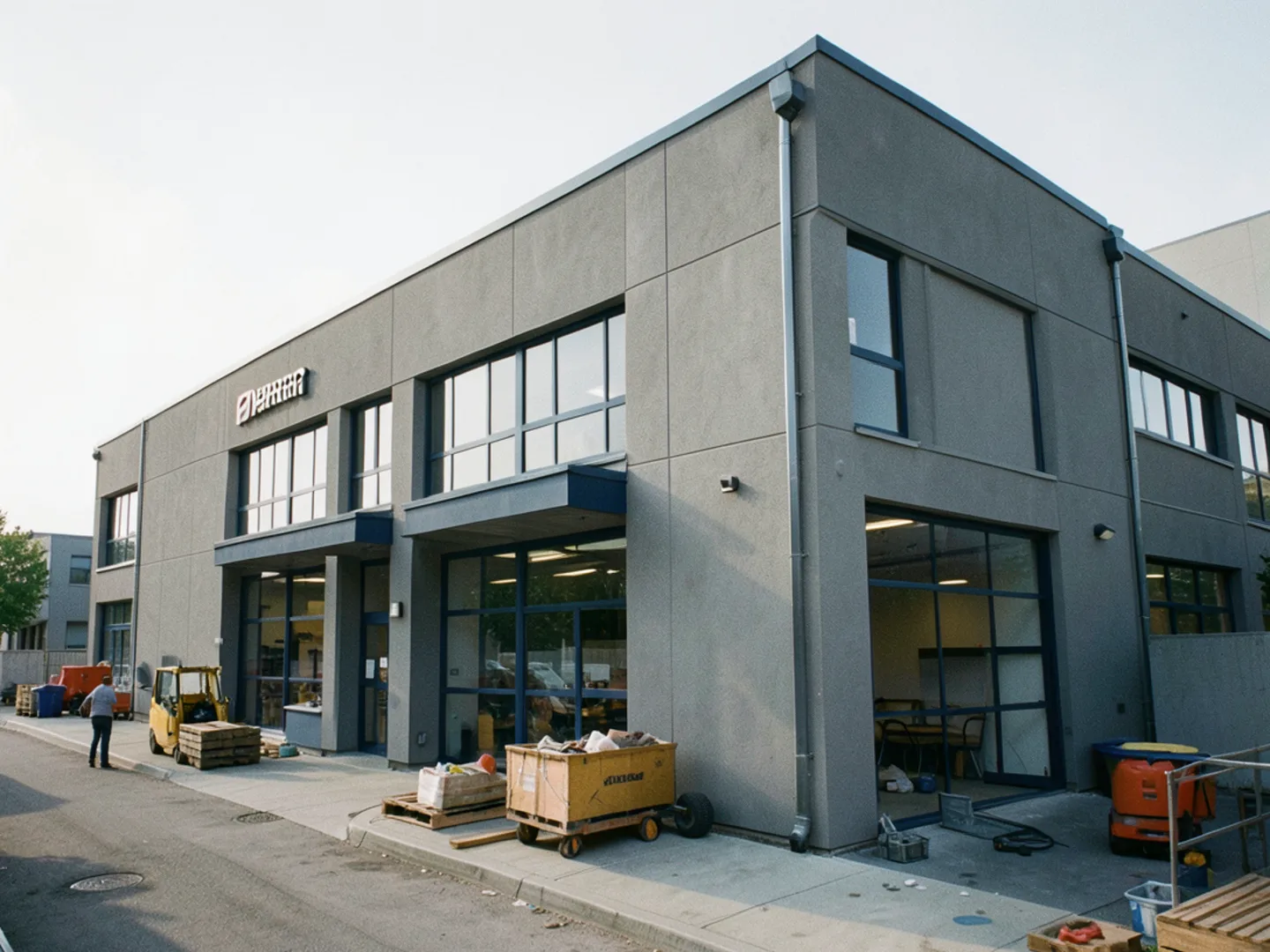
Figure 01: Diagnostic field reference for Oak Lawn's Point-of-Sale Sewer Inspection: What Sellers Should KnowField Reference
Active Drainage Problem?
Speak with our south suburban dispatch coordinator
Free to call · Connected with independent local drain contractors
Free to call
No obligation
Independent local contractors
24/7 emergency dispatch
Written estimates on-site
How the Video Camera Inspection is Conducted from Cleanout to Street
Executing an acceptable municipal-grade lateral inspection requires commercial-grade diagnostic imaging equipment. Dispatched independent specialists introduce a self-leveling optical color camera head featuring high-intensity LED illumination arrays and scratch-resistant sapphire lenses into an accessible cleanout opening—typically an exterior yard double-sweep riser or an interior cast-iron basement cleanout plug.
As the flexible fiberglass push-rod travels through the lateral toward the municipal sewer main under 95th Street, Southwest Highway, or local residential streets, an integrated digital on-screen display (OSD) continuously registers the precise linear footage from the point of entry. The camera operator pans and tilts to inspect each 2-foot or 3-foot clay pipe section, pausing at every hub joint to evaluate seal integrity, mortar condition, and root ingress.
Crucially, modern inspection camera heads incorporate a 512 Hz electromagnetic sonde transmitter. When the camera encounters an offset joint, structural crack, or heavy root mass, the operator uses an above-ground digital locator wand on the lawn or driveway to pinpoint the exact surface coordinates and depth beneath grade (typically 6 to 9 feet deep). The entire survey is archived to digital video files and accompanied by a detailed written inspection report specifying defect classifications and exact footage markers.
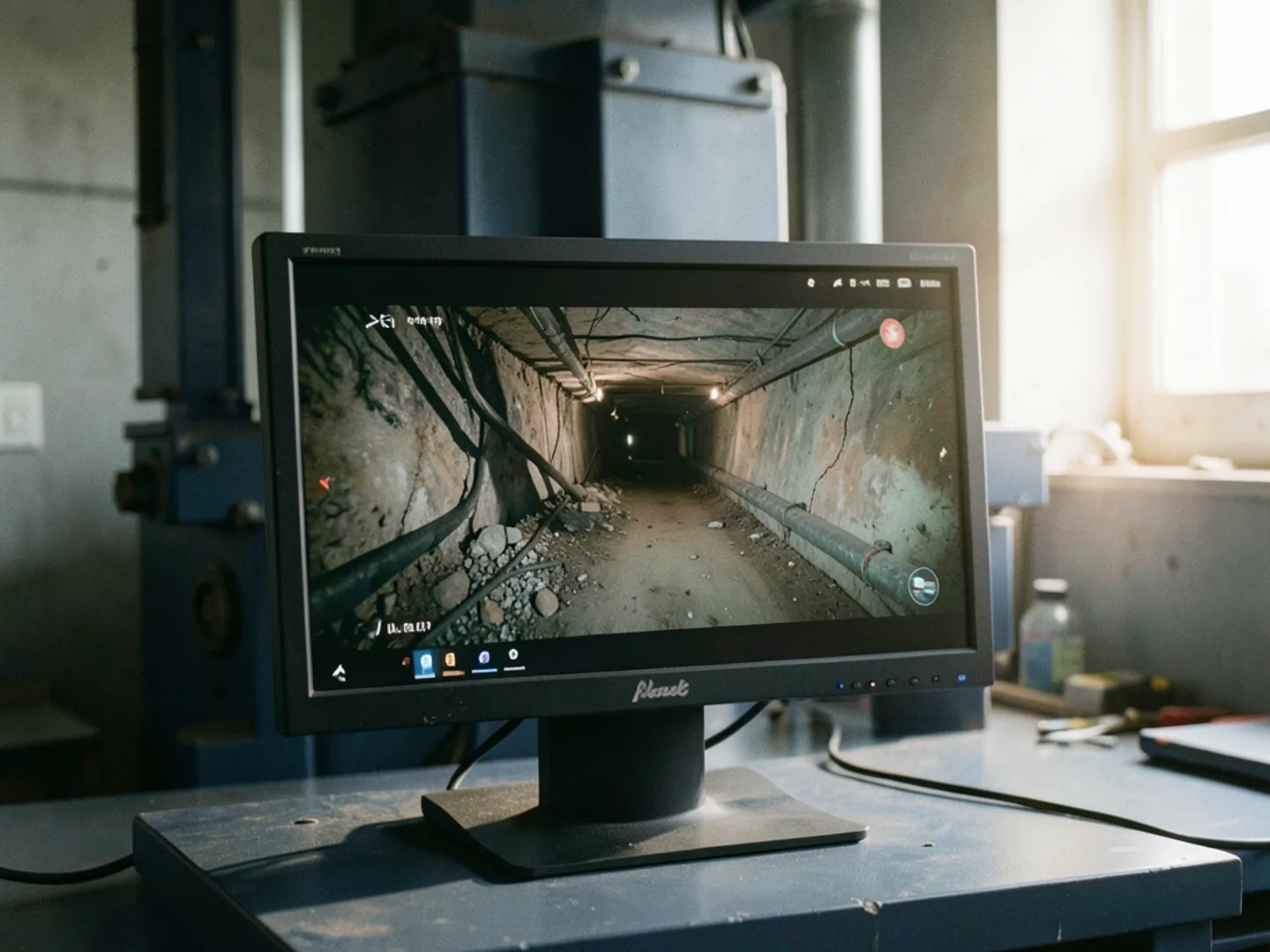
Figure 02: Diagnostic field reference for Oak Lawn's Point-of-Sale Sewer Inspection: What Sellers Should KnowField Reference
Common Defects Found in 1950s Oak Lawn Clay Laterals
Decades of video camera scoping across Oak Lawn subdivisions—including neighborhoods surrounding Wolfe Wildlife Refuge, Lawn Manor, and St. Germaine Parish—consistently uncover several structural and hydraulic defects typical of mid-century vitrified clay lateral construction:
- Parkway Tree Root Intrusion: In mid-century installations, clay pipe sections were joined with oakum and concrete mortar. Over time, the mortar dries and fractures, allowing fine moisture-seeking roots from mature silver maples, oaks, and ash trees to infiltrate the joints. Left untreated, these feeder roots expand into dense hydraulic mats that snag flushable solids and cause sudden backups.
- Lateral Pipe Offsets: South suburban soil consists largely of expansive clay that swells when wet and contracts during summer droughts. This movement causes adjacent pipe hubs to slip vertically or horizontally out of alignment, creating an internal damming ledge that traps waste paper and debris.
- Pipe Sags and Bellies: Improper trench bedding or subsurface soil washouts create low dips where wastewater pools rather than draining by gravity. In these sections, grease and solids settle to the pipe bottom, creating persistent blockages.
- Longitudinal and Shear Fractures: Heavy driveway paving, delivery truck traffic, or shifting frost lines exert downward force that causes brittle clay walls to split longitudinally or snap horizontally.
- Cast-Iron Scale Accumulation: The transition pipe exiting the foundation wall is typically cast iron, which corrodes internally over 60 years, developing heavy tuberculation and rust nodules that snag paper.
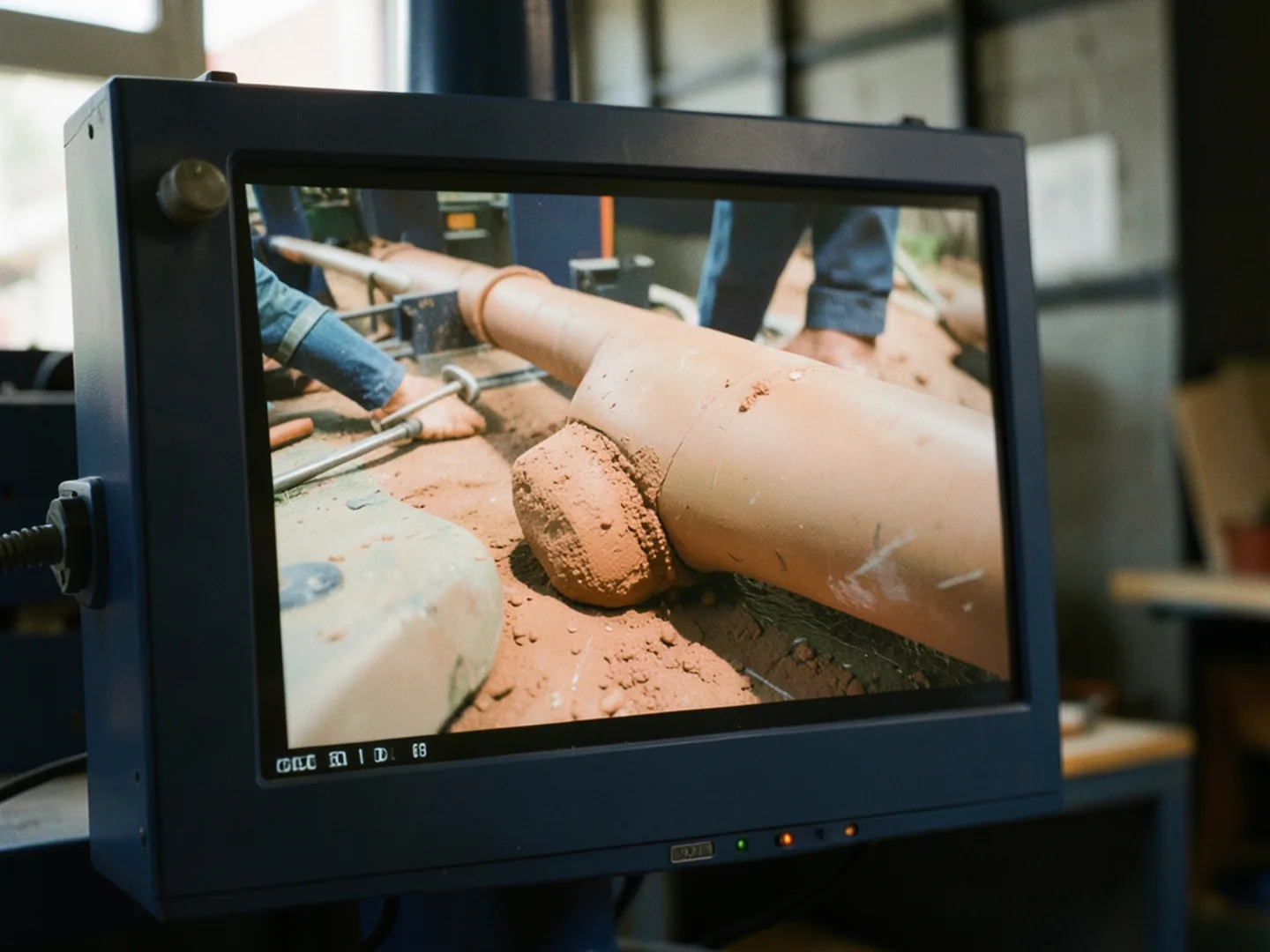
Figure 03: Diagnostic field reference for Oak Lawn's Point-of-Sale Sewer Inspection: What Sellers Should KnowField Reference
Buyer vs. Seller Responsibilities and Closing Timelines
In standard Illinois real estate purchase agreements (such as the Multi-Board Residential Real Estate Contract 7.0), parties negotiate repair obligations discovered during the inspection period. Sellers are generally expected to deliver a free-flowing sewer line without imminent structural collapse. However, routine seasonal root intrusion that can be easily remedied through mechanical rodding is typically treated as regular home maintenance rather than a material structural failure.
Real estate attorneys and experienced local agents advise Oak Lawn sellers to commission their sewer camera inspection 3 to 4 weeks before listing the property or immediately upon accepting an offer. Discovering a minor root blockage early allows sellers to schedule an affordable rodding pass with root-cutting blades and record a clean follow-up video for buyers.
Conversely, if the camera reveals a collapsed pipe crown or severe joint separation requiring spot excavation, early identification prevents closing cancellations. The parties can obtain competitive repair estimates, arrange for title escrow holdbacks (often 110% to 150% of the contractor estimate), or complete the spot repair under proper Village of Oak Lawn Public Works permits without delaying the agreed closing date.

Figure 04: Diagnostic field reference for Oak Lawn's Point-of-Sale Sewer Inspection: What Sellers Should KnowField Reference
Expert Insights: Trenchless CIPP Lining vs. Open Spot Excavation
When an Oak Lawn sewer camera inspection identifies a structural defect, property owners face an important choice between modern trenchless cured-in-place pipe (CIPP) lining and traditional open-cut excavation. Understanding the real mechanical trade-offs is essential for making an informed, cost-effective decision.
Trenchless CIPP lining involves pulling an epoxy-saturated felt tube through the existing clay pipe from a single cleanout access point, then expanding and curing it to form a seamless, jointless "pipe within a pipe." This approach avoids digging up established front lawns, mature parkway trees, concrete driveways, or public sidewalks. It creates an impervious barrier that permanently seals off root intrusion at mortar joints.
However, CIPP lining has hard physical limitations. It cannot correct a settled pipe belly or sag, because the flexible resin tube simply conforms to the existing low dip in the grade. Furthermore, if the clay pipe has suffered a complete structural collapse where the crown has caved in, an inversion liner cannot pass through the crushed section. In those scenarios, targeted open spot excavation remains the only viable engineering remedy. A reputable dispatched technician will use camera footage to verify whether the host pipe possesses sufficient circular geometry to support trenchless rehabilitation before recommending an excavation.
Point-of-Sale Sewer Inspection Finding Matrix
Comparative mechanical metrics and local south suburban cost drivers.
| Observed Defect | Severity Level | Typical Corrective Action |
|---|---|---|
| Fine Feeder Root Intrusion | Low / Maintenance | Mechanical rodding with root cutting blades; post-rodding flow test |
| Heavy Root Blockage (Over 50% capacity) | Moderate | Heavy-duty sectional rodding or high-pressure hydro-jetting |
| Minor Pipe Offset (< 1 inch displacement) | Moderate | Monitor line; avoid flushing wipes; schedule annual rodding |
| Severe Offset / Joint Separation | High / Structural | Targeted spot excavation repair or trenchless pipe patch |
| Collapsed Pipe / Missing Crown | Critical / Structural | Open-cut lateral replacement from break point to street main |
Cited Research & Regulatory Authorities
The technical guidance and municipal standards referenced in this guide are informed by official state, regional, and industry publications:
- Sewers & Water Distribution Guidelines · Village of Oak Lawn Public Works Department
- Illinois Real Estate License Act Disclosure Provisions · Illinois Department of Financial and Professional Regulation (IDFPR)
- Residential Sewer Lateral Standards · American Society of Home Inspectors (ASHI)